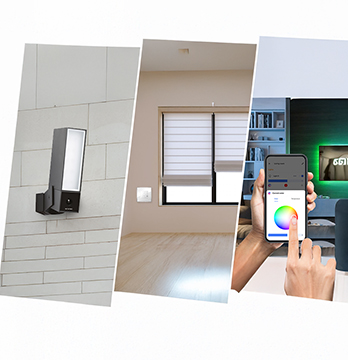



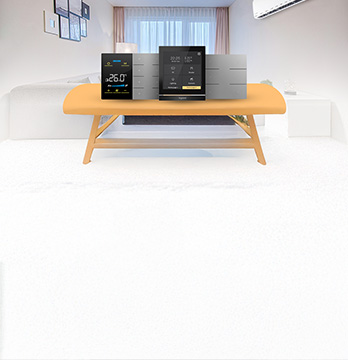
Multifunctions control for scenes control, DND/MUR management and temperature control
KNOW MORE
Intelligent solutions for a connected tomorrow

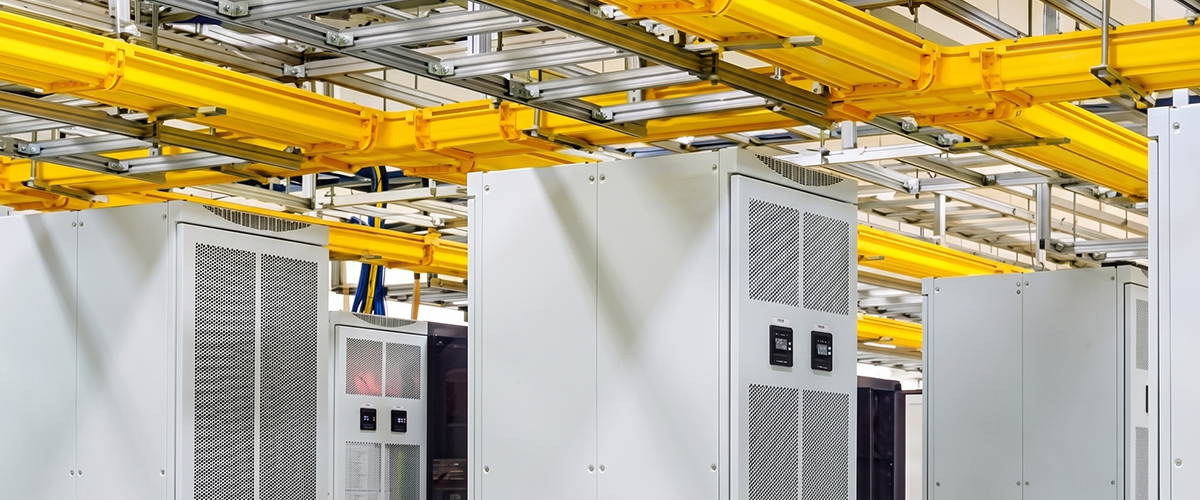
Containment systems with integrated cooling mechanisms to regulate temperature

Award-winning Italian design with user-friendly technology

Range of accessories to enrich your living environment with enhanced IoT - based user


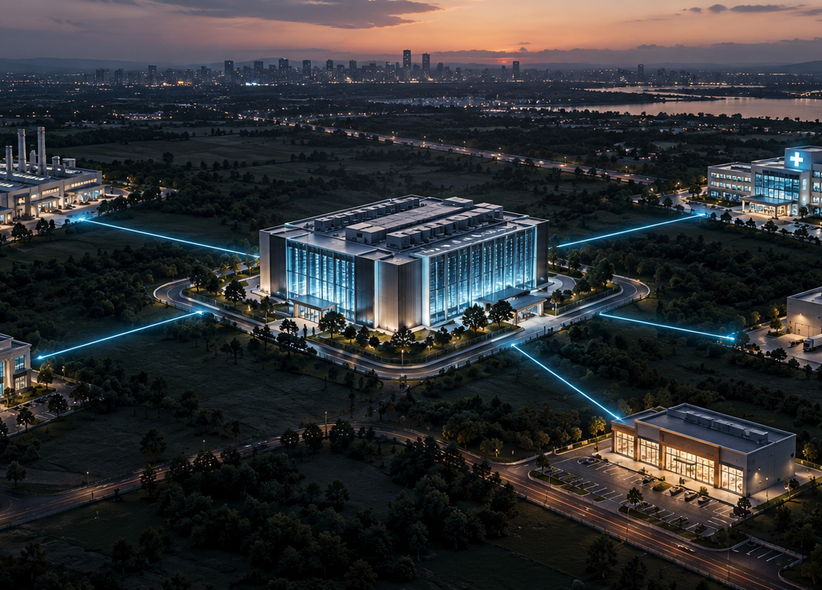
India’s AI infrastructure story is accelerating at an unprecedented pace. The country’s data centre capacity is expected to cross 4 GW in the coming years, driven by hyperscale expansion, cloud adoption, and the rapid rise of AI-led workloads. Enterprises across sectors are investing heavily in AI-ready infrastructure to support real-time analytics, automation, and high-performance computing environments

But alongside this growth, another challenge is intensifying.
Heat.
India is already among the world’s most climate-sensitive regions, with rising temperatures and longer summer cycles placing increasing pressure on energy and cooling infrastructure. In cities where temperatures regularly cross 40°C, maintaining thermal efficiency at scale is becoming far more complex. Now add AI to that equation.
Modern GPU environments consume significantly more power, generate far greater thermal intensity, and place enormous pressure on traditional cooling architectures. At the same time, operators are under growing pressure to reduce energy consumption, improve sustainability metrics, and maximise infrastructure efficiency.
This is creating a new infrastructure equation. The next generation of data centres will not be judged only by how much compute they deploy, but by how intelligently they manage power, cooling, and operational efficiency together.
Cooling is now moving to the centre of that conversation. Industry estimates suggest cooling can account for nearly 30 to 40 percent of overall data centre energy consumption in high-density environments. In AI-driven deployments, inefficient thermal management can directly impact scalability, operational reliability, and long-term infrastructure economics.
That shift is pushing operators to rethink how thermal infrastructure is designed, deployed, and managed.
AI Workloads Are Changing Cooling Priorities
Traditional enterprise environments were built around relatively predictable thermal loads. AI infrastructure changes that equation entirely.
GPU-intensive workloads create concentrated heat zones that conventional room- level cooling systems often struggle to manage efficiently. What worked for legacy enterprise deployments is no longer sufficient for modern AI clusters and high- performance computing ecosystems. This is driving rapid adoption of more adaptive and targeted cooling architectures.
GPU-intensive workloads create concentrated heat zones that conventional room- level cooling systems often struggle to manage efficiently. What worked for legacy enterprise deployments is no longer sufficient for modern AI clusters and high- performance computing ecosystems. This is driving rapid adoption of more adaptive and targeted cooling architectures.
Across the industry, operators are increasingly moving toward hybrid thermal ecosystems that combine:
Rack-level cooling
Row-based cooling
Intelligent airflow management
Containment systems
Real-time monitoring
Liquid-assisted cooling technologies for ultra-high-density environments
Technologies such as direct liquid cooling and immersion cooling are gaining attention globally as organisations prepare for future AI environments where thermal density will continue rising sharply. At the same time, many operators continue to prioritise solutions that can integrate into existing environments without requiring complete infrastructure redesigns.
That balance between scalability, efficiency, and operational continuity is becoming increasingly important.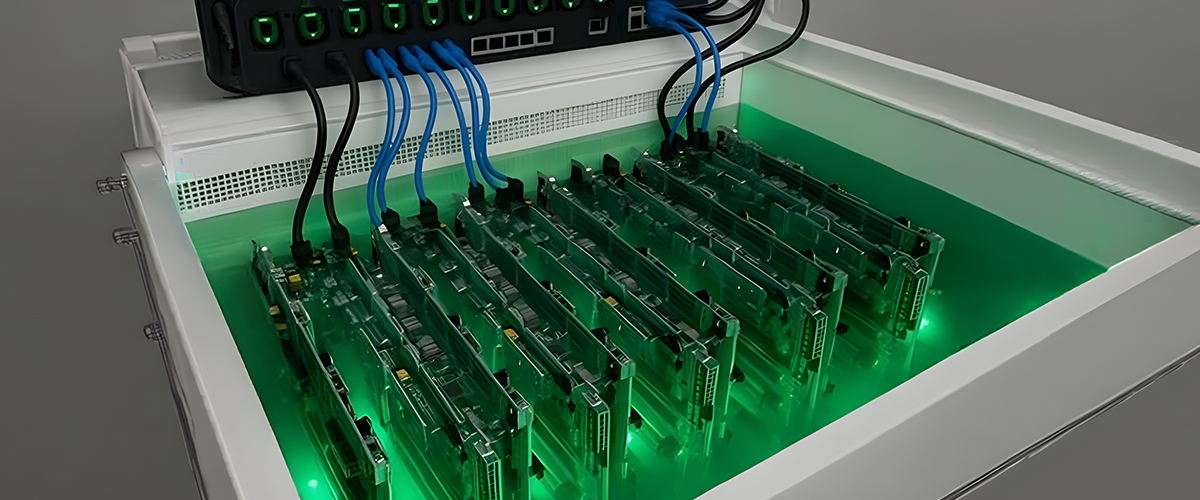
RDHx Is Emerging as a Scalable Cooling Strategy
One of the strongest examples of this evolution is the growing adoption of Rear Door Heat Exchanger technology, commonly known as RDHx.
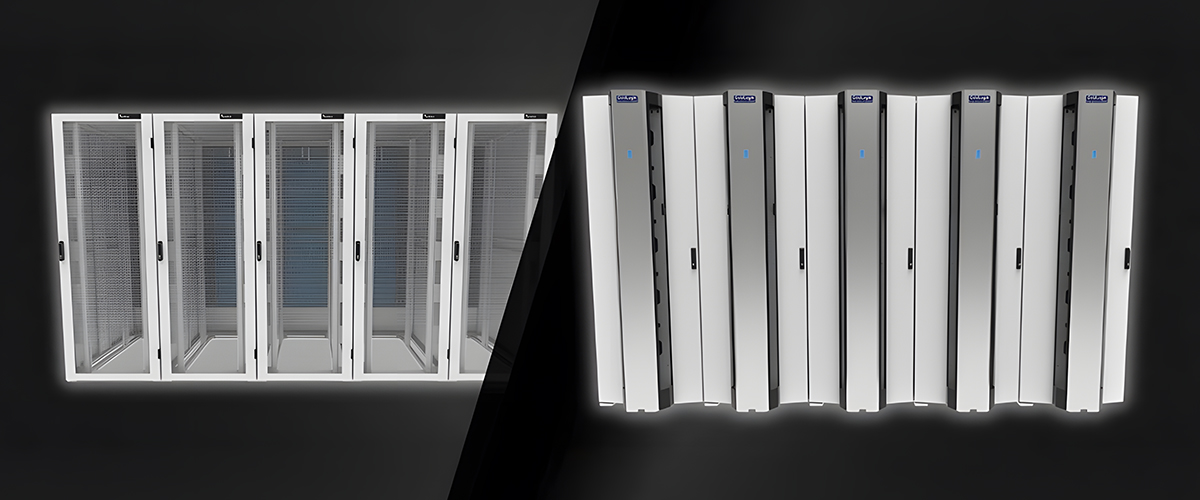
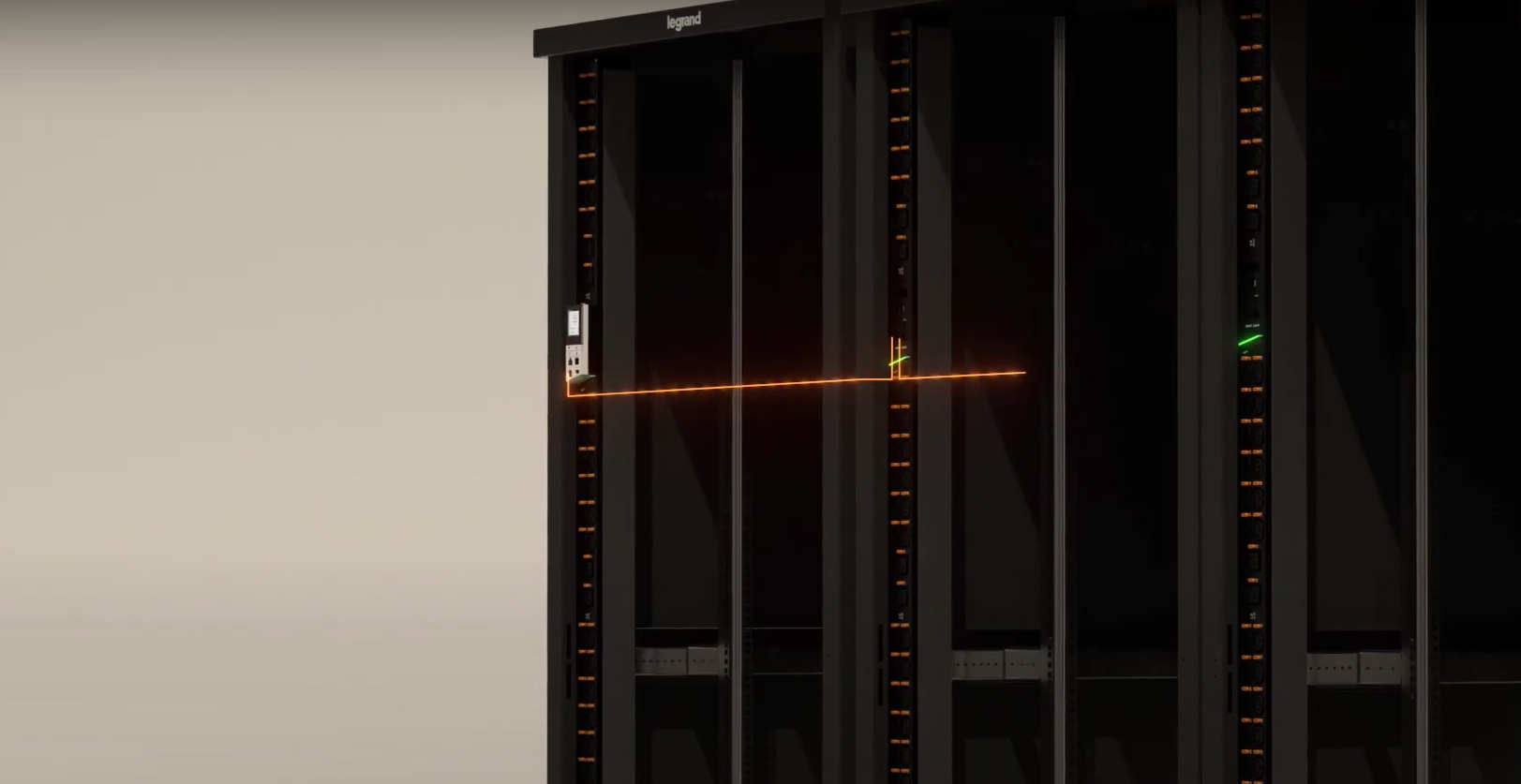
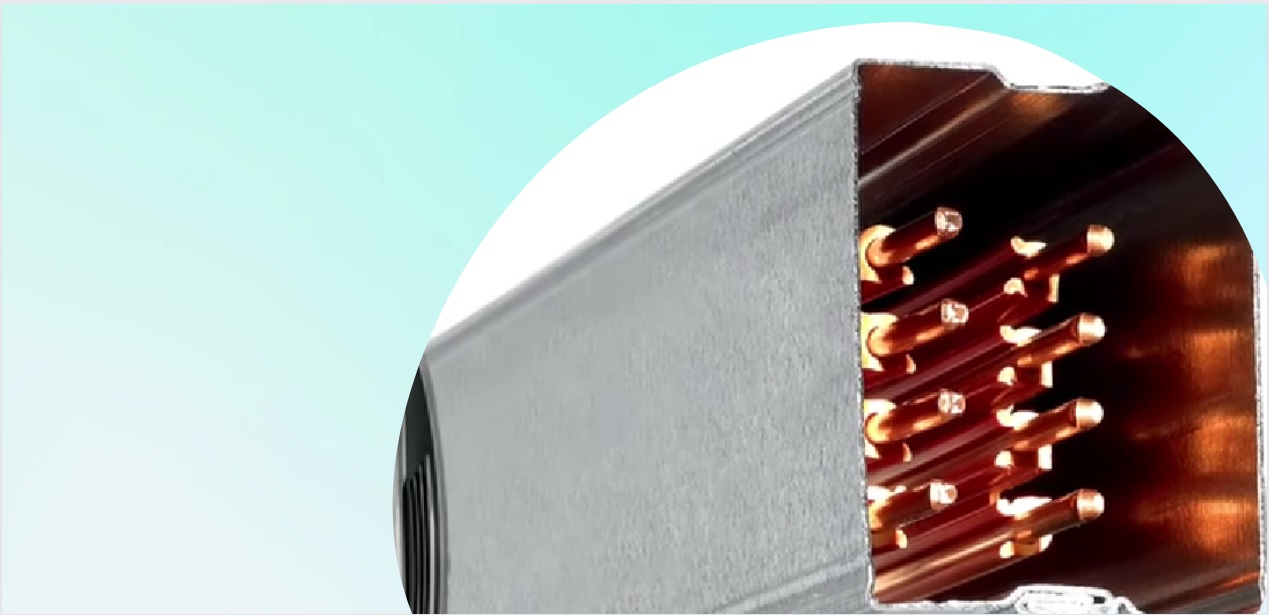
Unlike traditional cooling approaches that attempt to manage heat across the entire room, RDHx systems remove heat directly at the rack level before it spreads into the white space. This creates a more efficient and targeted thermal management model for high-density environments.
Solutions like the ColdLogik RDHx range from USystems, a Legrand company, are helping operators support high-density AI and HPC deployments while improving thermal stability and reducing pressure on existing cooling infrastructure.
The advantage is not only thermal performance. RDHx infrastructure also enables operators to increase compute density within existing footprints, modernise incrementally, and extend the life of existing facilities without major disruption.
In a market where speed-to-scale is becoming critical, that flexibility matters.
The Rise of Intelligent Cooling Ecosystems
Cooling is no longer operating as an isolated facility layer. Modern data centres are increasingly evolving toward connected thermal ecosystems where cooling infrastructure, airflow management, power systems, environmental sensors, and operational intelligence work together dynamically.
This is driving stronger adoption of:
Row-based cooling architectures
Intelligent containment systems
Environmental monitoring platforms
Adaptive airflow management
Integrated DCS and infrastructure management systems
Row-based cooling is gaining traction in AI and GPU-intensive deployments because it positions cooling infrastructure closer to the heat source, enabling greater airflow precision and improved energy efficiency.
The direction of the industry is becoming increasingly clear. Future-ready data centres will require cooling architectures that are not just more powerful, but significantly more intelligent.
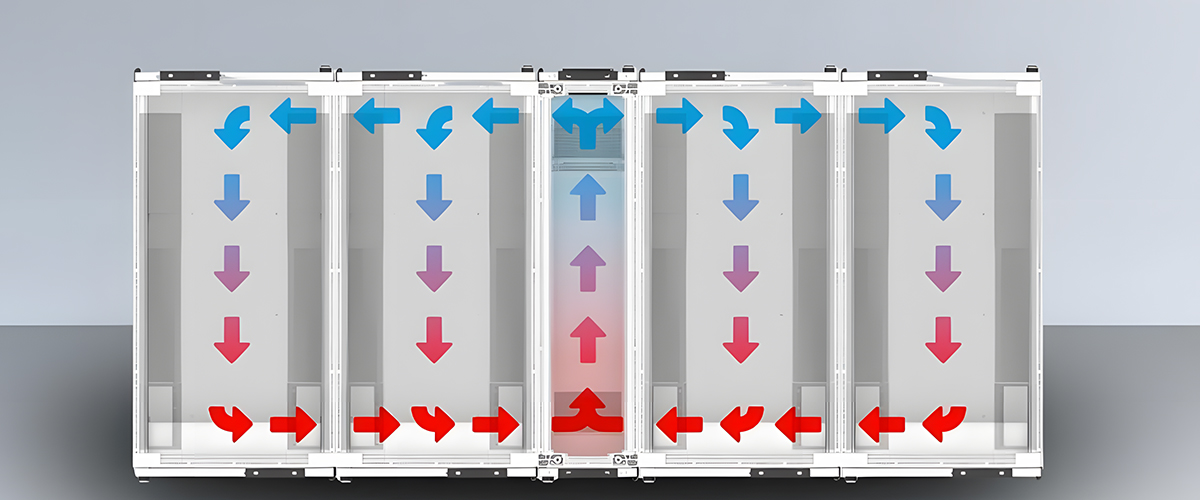
Cooling Intelligence Will Define the Next Era of Infrastructure
India’s digital infrastructure growth story is entering a far more demanding phase. AI workloads are increasing energy intensity, accelerating infrastructure density, and raising expectations around sustainability simultaneously. The data centres that succeed in this environment will not simply be the ones that deploy more compute.
They will be the ones that can scale compute intelligently, sustainably, and reliably. That is why cooling is becoming one of the most strategic layers in modern infrastructure design.
The convergence of RDHx systems, and containment ecosystems reflects a much larger transformation happening across the industry. Infrastructure is becoming smarter, more adaptive, and more tightly integrated than ever before.
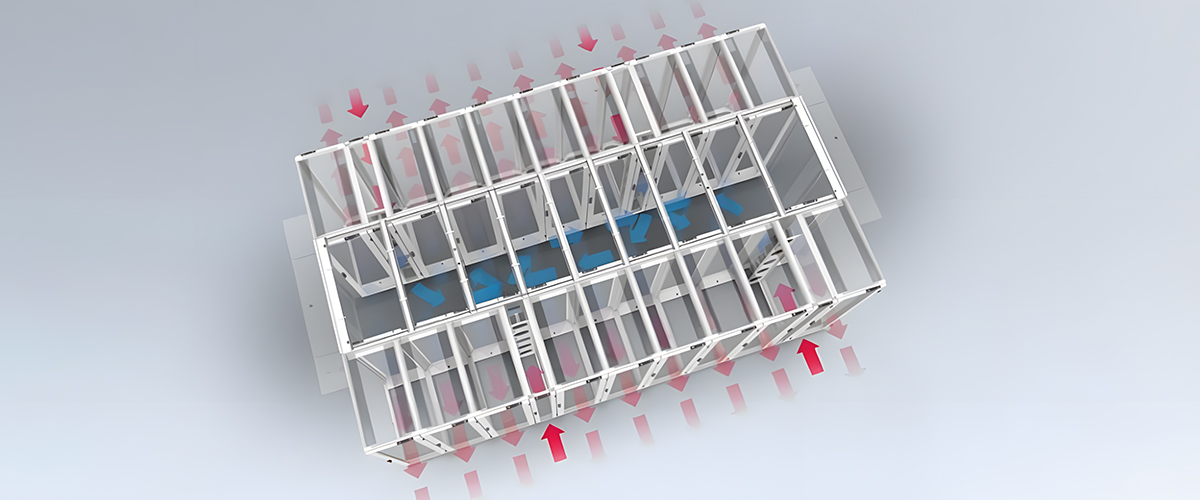
Building Smarter Thermal Ecosystems for the AI Era
At Legrand, the focus is not simply on delivering cooling infrastructure. It is about helping customers build scalable and intelligent data centre environments prepared for the next phase of AI-driven growth.
Through solutions spanning ColdLogik RDHx technologies from USystems, row- based cooling infrastructure, intelligent rack ecosystems, containment systems, and integrated monitoring capabilities, Legrand supports operators in creating data centres that can scale efficiently while improving operational visibility and sustainability outcomes.
As India’s AI infrastructure ecosystem evolves, the industry will need more than capacity expansion alone. It will require infrastructure strategies designed around efficiency, resilience, and long-term adaptability. The future of AI-ready infrastructure will depend on how intelligently data centres can balance compute, power, and cooling together.
Discover how Legrand’s intelligent cooling and white space infrastructure solutions can help your organisation build scalable, energy-efficient, and AI-ready data centre environments.
The future of AI infrastructure will depend on how intelligently it is built. Start building for it with Legrand.

Upgrade your holiday security with a wireless video door phone this Christmas – enter 2025 with a secure home
READ SMART SPACE
Ring in style: the art of choosing the perfect bell switch for your home
READ SMART SPACE



















 Eliot
Eliot LDCS
LDCS


 Residential
 Commercial
 Hospitality
 Industrials



 Data Center Solutions
 Hyperscale data centers