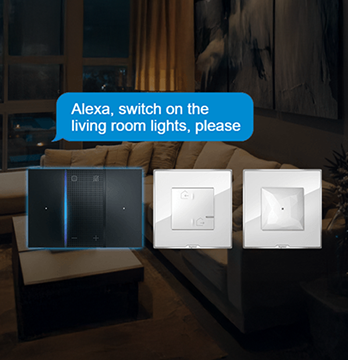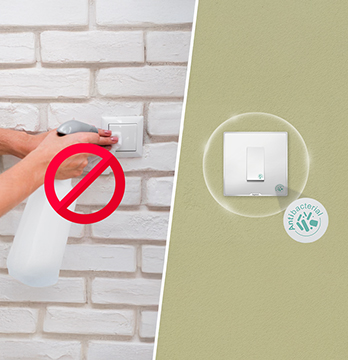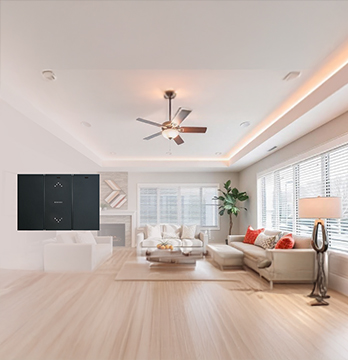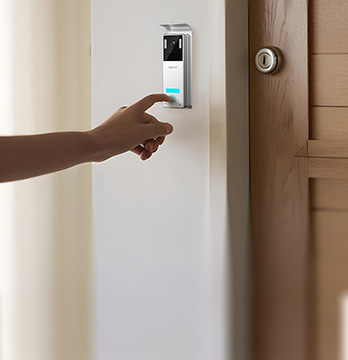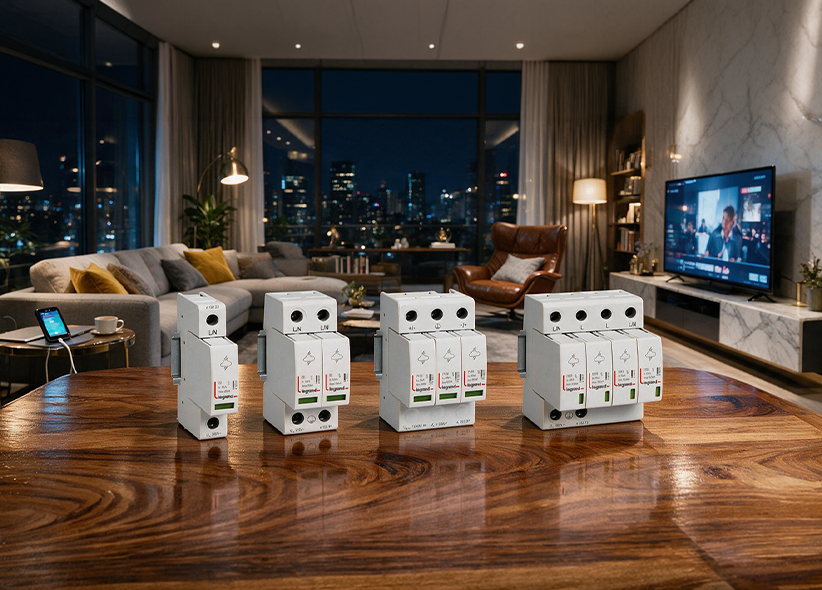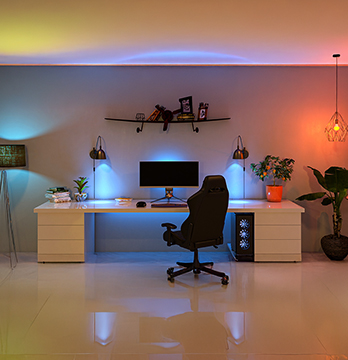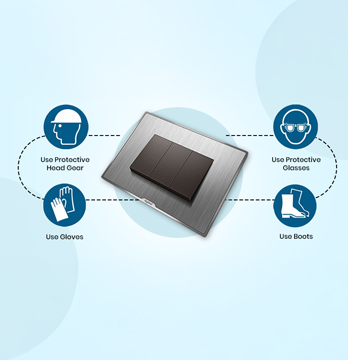




Range of accessories to enrich your living environment with enhanced IoT - based user


People today spend more than 90% of their time indoors, often under harsh, static artificial lights that remain the same brightness from breakfast until bedtime. This disconnect from the natural cycle of the sun does more than just cause eye strain; it fundamentally disrupts our internal biological clocks.
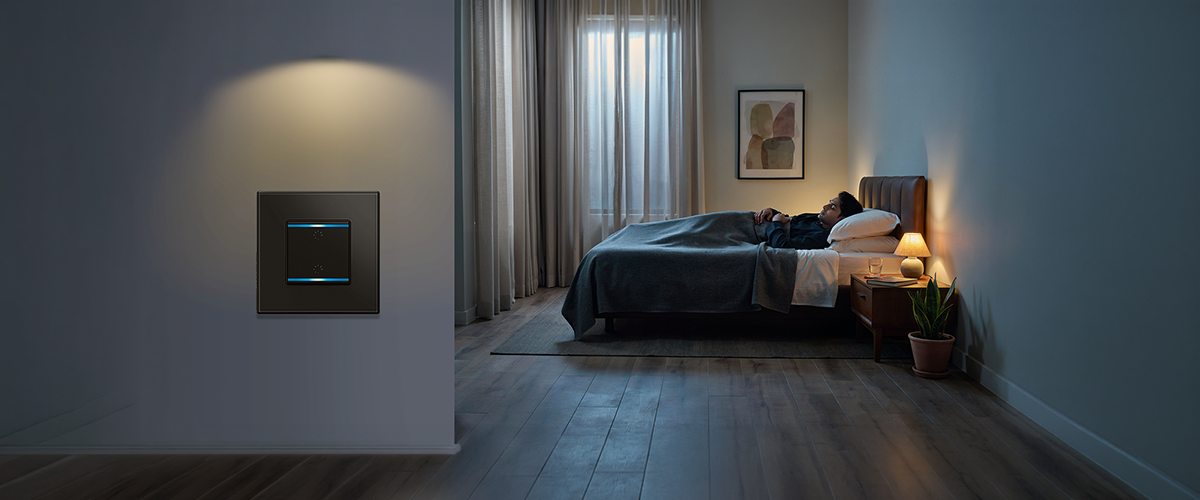
As we move towards smarter, more integrated homes, IoT-enabled lighting is emerging as a vital tool for wellness. By synchronising our indoor environments with our natural biological needs, smart lighting scenes can significantly enhance our sleep quality and overall health.
In this guide, we explore the science of the circadian rhythm and how Legrand’s innovative lighting solutions can help you reclaim your sleep.
Every person has an internal biological clock known as the circadian rhythm, which operates on an approximately 24-hour cycle. Managed by a small region in the brain called the suprachiasmatic nucleus (SCN), this rhythm regulates essential functions including hormone release, body temperature, and the sleep-wake cycle.
Light is the primary ‘zeitgeber’ (time-giver) that keeps this clock in sync.
Morning Light: Rich in blue spectrum wavelengths, it suppresses melatonin (the sleep hormone) and boosts cortisol, making us feel alert and focused.
Evening Light: As the sun sets, the absence of blue light signals the body to produce melatonin, preparing us for restorative sleep.
When we expose ourselves to bright, blue-enriched artificial light late at night-whether from overhead fixtures or smartphone screens-we effectively ‘trick’ our brains into thinking it is still daytime. This delay in melatonin production leads to difficulty falling asleep, poor sleep architecture, and morning grogginess.
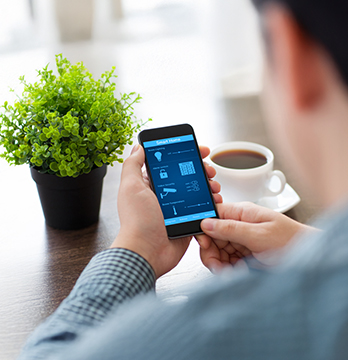
Traditional lighting is binary: it is either on or off. IoT-enabled lighting, however, offers dynamic control over colour temperature and intensity. By connecting your luminaires to a smart ecosystem, you can create ‘scenes’ that transition automatically throughout the day.
1. The Gentle Wake-Up Call
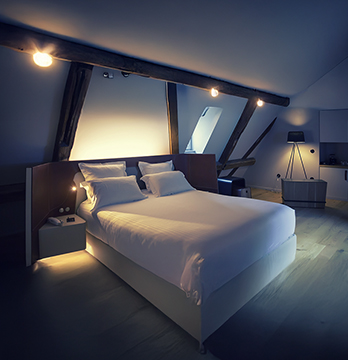
Forget the jarring vibrations of a standard alarm clock. An IoT-enabled ‘Sunrise’ scene gradually increases light levels in your bedroom over 30 minutes before your desired wake time. Gradually increasing light levels can help the body transition naturally toward wakefulness. This reduces ‘sleep inertia,’ helping you feel more refreshed and alert the moment your feet hit the floor.
2. High-Clarity Productivity
During the workday, especially for those working from home, lighting needs to support cognitive function. A ‘Focus’ scene provides cool, bright white light (around 5000K–6500K). This mimics the midday sun, which may help support concentration and visual comfort during work hours.
3. The Sunset Transition
This is where IoT lighting truly shines for sleep quality. A ‘Wind-Down’ scene can be programmed to trigger two hours before bed. The lights automatically dim and shift from cool whites to warm, amber hues (around 2700K or lower). By removing the blue light stimulus, your body is allowed to begin its natural melatonin synthesis, making the transition to sleep seamless.
Improving your sleep isn't just about how many hours you spend in bed; it’s about the quality of those hours. IoT lighting impacts sleep in three primary ways:
Reduced Sleep Latency
Sleep latency is the amount of time it takes to fall asleep. By using automated evening scenes to signal to your nervous system that the day is ending, you lower your heart rate and prepare your brain for rest. Many users report falling asleep more easily when their lighting environment aligns with natural day-night cycles.co
Deeper REM Cycles
Disruptions to the circadian rhythm can lead to fragmented sleep. When your internal clock is properly aligned through consistent light exposure patterns, your body can move more effectively through the necessary stages of light, deep, and REM sleep.
Consistency Through Automation
The greatest benefit of an IoT system is that it removes human error. You don't have to remember to dim the lights; the system does it for you. Consistency is the cornerstone of good sleep hygiene, and automation ensures your circadian rhythm remains stable even when your schedule gets busy.
At Legrand, we believe that technology should serve human well-being. Our smart lighting solutions are designed to integrate effortlessly into your lifestyle, providing both aesthetic beauty and functional health benefits.
Customisable Scenes: Through our intuitive apps and interfaces, you can programme bespoke schedules that align with your specific routine, whether you are an early bird or a night owl.
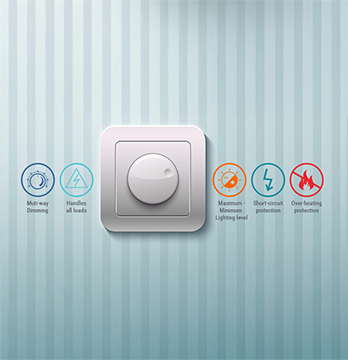
Precision Dimming: Our smart dimmers provide flicker-free, smooth transitions, ensuring that lowering the light levels is a soothing experience rather than a distraction.
User-Centric Design: Legrand's smart lighting solutions are designed to support comfort, convenience, and personalised control.
If you are ready to use IoT to improve your sleep, here are a few steps to get started:
Identify Key Zones: Focus your smart lighting efforts on the bedroom, bathroom, and living room—the areas where you spend your evening hours.
Set an ‘Electronic Sunset’: Coordinate your smart lights with a ‘no-screens’ policy. When the lights turn amber, put away the tablets and phones.
Use Motion Sensors for Night-Time: If you need to get up during the night, use IoT motion sensors set to a ‘Night Light’ mode (very dim, warm light). This allows you to navigate safely without ‘resetting’ your brain’s sleep mode with bright overhead lights.
The quality of our sleep dictates the quality of our lives. While we cannot always control the stresses of the modern world, we can control the environment within our own homes.
By investing in IoT-enabled lighting, you're doing more than upgrading your home's technology; you are investing in your long-term health. Synchronising your home with your circadian rhythm is a powerful, non-invasive way to boost energy, enhance mood, and finally achieve the restorative sleep your body deserves.
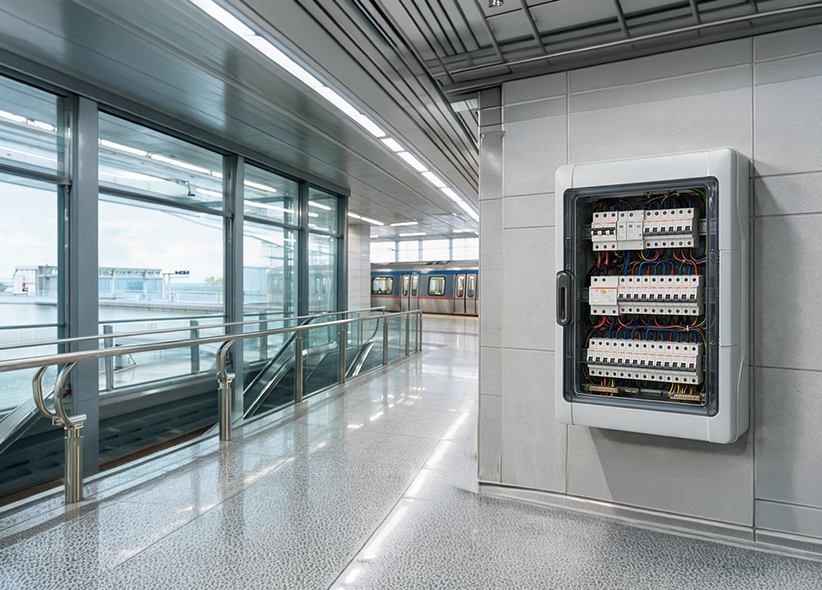
Is Your 10-Year-Old Distribution Board Still Safe for Modern Homes?
READ SMART SPACE
Inside the Engine Room: 5 Infrastructure Decisions That Define Modern Data Center Performance
READ SMART SPACE






 Eliot
Eliot LDCS
LDCS


 Residential
 Commercial
 Hospitality
 Industrials




 Data Center Solutions
 Hyperscale data centers